
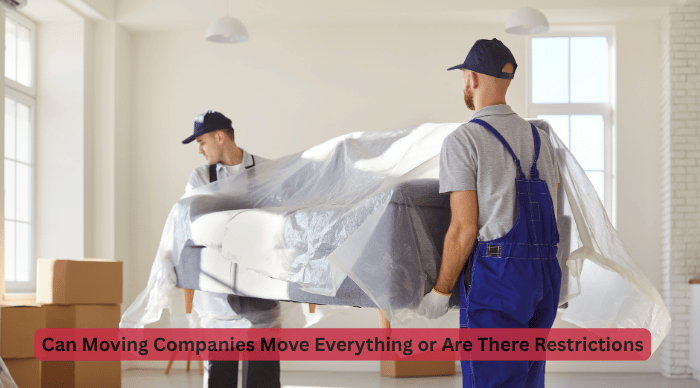
No, moving companies cannot move everything. Standard household removals cover furniture, prepared appliances, clothing and properly packed belongings. Hazardous materials, pets, perishable food and certain valuables need separate arrangements. Heavy items, plants and specialised equipment may be accepted only after assessment and preparation.
At Active Transport, our most useful advice is simple: if you are unsure about an item, tell us before booking. Do not wait until the truck arrives to mention a piano, petrol-powered lawnmower or protected cycad.
Early disclosure gives us time to assess the item, check access, explain preparation requirements and include any additional handling in your quotation.
Why Do Moving Companies Restrict Certain Items?
Restrictions protect your belongings, the moving crew and other goods travelling in the vehicle. A leaking chemical container can damage furniture. An unexpectedly heavy safe can create a lifting hazard. A plant requiring permits cannot simply be treated as another garden pot.
There are three different questions to consider:
- Can the item be transported safely in a furniture removal truck?
- Does it require special equipment, preparation or legal documentation?
- Will the applicable insurance cover it?
An item being accepted for transport does not automatically mean every type of loss or damage is insured. Confirm acceptance and cover separately.
Read our latest blog post: Can You Hire Movers for Just a Few Items?
Which Items Should Stay Out of a Standard Moving Truck?
Fuel, Gas and Hazardous Chemicals
Do not pack hazardous substances with your household belongings. Tell your moving coordinator about petrol, diesel, gas cylinders, solvents, pesticides, pool chemicals and similar products before moving day.
Some substances can leak, release harmful fumes or create a fire risk. Their transport may require arrangements that a standard household removal service does not provide.
Items to flag include:
- Fuel containers and equipment containing fuel.
- LPG cylinders and other pressurised containers.
- Paint thinners and flammable solvents.
- Pool-treatment chemicals.
- Pesticides and weed killers.
- Corrosive cleaning products.
- Potentially hazardous aerosols.
Keep products in their original labelled containers while seeking advice. Do not hide them inside ordinary moving boxes or assume a small quantity is acceptable.
Ask the supplier about safe return, collection or disposal options where necessary. A rejected substance is not automatically safe to carry in your own car.
Pets and Live Animals
Your pets need their own travel plan. They should not travel in the enclosed cargo area of a household removal truck.
Arrange suitable carriers, ventilation, drinking water and any veterinary guidance needed for the journey. If you cannot transport your animals yourself, book a specialist pet relocation service.
Fish need separate preparation too. Discuss transport with an aquarium specialist rather than expecting movers to carry an occupied tank.
Perishable Food and Leaking Containers
A furniture truck does not provide refrigerated food transport. Empty your fridge and freezer before the move and arrange a suitable way to transport any food you intend to keep.
Frozen meat, dairy products and fresh produce can spoil during delays. Open containers can leak onto boxes, mattresses and upholstered furniture.
Sealed, shelf-stable pantry goods may be suitable for transport, subject to the mover’s approval. Pack accepted items in strong boxes and keep them separate from cleaning products.
Which Belongings Should You Keep With You?
Some items are best kept in your personal custody because you need immediate access to them or because they are difficult to replace.
- Passports, identity documents and birth certificates.
- Property documents and important financial records.
- Cash, jewellery and valuable watches.
- Prescription medication and essential medical supplies.
- House keys, vehicle keys and access remotes.
- Small electronics containing important information.
- Irreplaceable photographs and sentimental keepsakes.
Prepare a clearly marked essentials bag before the crew arrives. Keep it somewhere separate so it is not accidentally loaded.
Back up important computer files before moving. Replacing a damaged device does not restore lost photographs, business records or other digital information.
For valuable artwork, antiques and collections, ask about specialist packing, valuation requirements and insurance before deciding how they will travel.
Can Moving Companies Transport Plants and Garden Pots?
Plants are not automatically prohibited. At Active Transport, plants and garden pots should be discussed during the quotation process so we can assess their size, weight, condition and transport requirements.
A small indoor plant and a mature plant in a concrete pot present very different handling challenges. Include both on your inventory rather than treating garden items as an afterthought.
Preparing Ordinary Potted Plants
Send photographs of large or awkward plants and explain whether they are already in pots or need specialist lifting from the ground.
- Avoid waterlogged soil and leaking pots on moving day.
- Secure loose soil without damaging the plant.
- Protect fragile pots and exposed branches.
- Support small pots inside suitable boxes if accepted by the mover.
- Check for pests before packing plants near household goods.
Do not wrap the whole plant tightly in plastic or prune it heavily just for convenience. Preparation should suit the species and its condition. Ask a nursery or gardening specialist if you are unsure.
Local Moves Versus Long-Distance Plant Transport
A longer journey can expose plants to more heat, darkness and handling. Discuss the expected journey and any storage or delivery delays before booking.
For delicate or sentimental indoor plants, travelling with them in your own vehicle may offer better control over conditions. Large pots still need a safe lifting and securing plan.
Confirm whether plants are accepted on your particular service and whether transport damage or deterioration is covered. Never assume that acceptance guarantees the plant’s survival.
Cycads and Permit Requirements
Cycads need particular attention. Depending on the species and route, possession, transport and interprovincial movement may require permits. Confirm the requirements with the relevant provincial conservation authorities before arranging collection.
Active Transport’s published cycad guidance requests a signed instruction from the registered owner, full collection and delivery addresses, and the appropriate permission to relocate the plant.
For an interprovincial move, check the requirements in both the originating and destination provinces. Existing possession paperwork should not be assumed to authorise every proposed movement.
Send the documents to your moving coordinator before the move. If you cannot identify the species, get qualified assistance rather than assuming it is exempt.
Can Movers Take Pianos, Safes and Other Heavy Items?
Potentially, but these items require prior assessment. Weight, dimensions, construction and access determine whether the available crew and equipment can handle them safely.
Declare items such as:
- Upright and grand pianos.
- Heavy safes.
- Pool tables.
- Solid stone or cast-iron furniture.
- Large concrete garden pots.
- Workshop machinery and heavy workbenches.
- Oversized appliances.
Provide measurements, an estimated or documented weight, and photographs of the item and its route out of the property.
Some moves need additional crew, lifting equipment, dismantling or a specialist contractor. Confirm what can be arranged, who will perform the work and how it will be charged.



An Illustrative Example: The Unlisted Garden Table
Imagine a customer booking a household move but leaving a solid cast-iron garden table off the inventory. The crew arrives with the equipment and staffing planned for the listed furniture.
Once they assess the table, they may find it cannot be moved safely with the available resources. Extra assistance may be needed, or the item may require a separate booking.
The useful lesson is not that every heavy item will be refused. It is that describing an item simply as a “garden table” can leave out the detail that matters most.
A photograph, dimensions and weight estimate help the coordinator plan before moving day. Additional equipment or crew may not be available at short notice.
How Should You Prepare Appliances for Moving?
Most household appliances can be moved once they are disconnected, emptied and prepared correctly. Follow the manufacturer’s transport instructions and tell your coordinator if an appliance needs technical assistance.
Fridges and Freezers
- Remove food and loose contents.
- Defrost where necessary, allowing enough time for ice to melt.
- Drain and dry the interior.
- Secure or separately pack removable shelves and drawers.
- Arrange disconnection of any water supply.
- Check the manufacturer’s transport and restart instructions.
Preparation time depends on the appliance. Starting a day or two before the move may be helpful for a heavily iced freezer, but use its instructions rather than treating one timeframe as universal.
The main concern is an appliance that is unprepared, leaking or unsafe to handle. Tell the mover beforehand if you cannot complete the preparation.
Washing Machines and Tumble Dryers
Disconnect washing machines, drain residual water and secure hoses. Many front-loading machines require model-specific transit bolts to restrain the drum during transport.
If you no longer have the bolts, contact the manufacturer or an appliance technician. Do not substitute improvised bolts or assume packing around the machine will protect its internal suspension.
Dryers have different requirements. Disconnect any vent, drain hose or other connection according to the model’s instructions. Gas-connected appliances should be disconnected by a suitably qualified professional.
Tell the coordinator about missing transport fittings or other preparation problems before collection. A signed waiver does not make an unsafe item safe to move.
Fuel-Powered Garden Equipment
Declare lawnmowers, brush cutters, generators and similar equipment before booking. Ask what preparation the mover requires and follow the manufacturer’s guidance.
Fuel must be dealt with safely before transport. Requirements for lubricating oil vary by equipment and mover, so confirm them rather than assuming every machine needs the same treatment.
- Arrange safe fuel removal where required.
- Check for leaks and residual contamination.
- Clean off loose soil, grass and debris.
- Secure sharp edges and loose attachments.
- Confirm the required transport position.
If draining is needed, use a suitable technician when you are unsure. Never run fuel-powered equipment indoors or pour unwanted fuel or oil into drains or onto the ground.
Can Poor Packing Cause an Item to Be Refused?
Yes. Packing must withstand lifting, stacking and travel. Thin bags, damaged boxes and containers that cannot close securely increase the risk of loss or damage.
Active Transport’s published guidance does not accept items packaged in plastic bags and recommends strong, preferably double-walled boxes.
Avoid overloading boxes, particularly with books or tools. Protect sharp edges, label fragile contents and tell the crew about anything that needs special handling.
If you are unsure how to pack an item, ask about professional packing before collection day.
Can Property Access Prevent an Item From Being Moved?
An item may be suitable for transport but impossible to remove through the available doorway, stairwell or lift.
Check both properties. A sofa that leaves your current home easily may not fit through the entrance at your destination.
- Measure narrow doors and passages.
- Check stairwell turns and lift dimensions.
- Confirm estate vehicle restrictions.
- Identify low arches, branches and steep driveways.
- Explain the distance between parking and the entrance.
- Book any required lift or loading bay.
If the main truck cannot reach the property, a shuttle vehicle may be needed. This addresses vehicle access, but it does not solve a doorway that is too small for the furniture.
Discuss dismantling or specialist access arrangements in advance. Do not assume the crew can improvise a safe solution on arrival.
What Should You Send the Mover About an Unusual Item?
Our advice is to disclose anything unusually heavy, fragile, awkward, potentially hazardous or legally restricted before accepting your quote.
- Clear photographs from several angles.
- Height, width and depth.
- Actual weight where available, or a clearly identified estimate.
- Manufacturer and model details for equipment.
- Photographs of stairs, doors and access routes.
- Details of detachable parts or required dismantling.
- Relevant permit documents.
- Known leaks, damage or preparation problems.
Ask for written confirmation that the item is accepted, how it must be prepared and whether additional charges or insurance conditions apply.
What Happens If the Moving Company Cannot Take an Item?
Make alternative arrangements before moving day. The appropriate solution depends on why the item cannot travel with your household goods.
- Book a pet relocation service for animals.
- Consult a specialist mover for pianos, safes or equipment requiring rigging.
- Ask a plant specialist about sensitive plants and large garden specimens.
- Use an appropriately equipped transport provider for vehicles or machinery.
- Contact the supplier or an authorised service about hazardous products.
- Keep essential documents and suitable small valuables with you.
Ask your moving coordinator whether they can suggest a suitable provider. Confirm availability, scope, charges and cover directly rather than assuming specialist services form part of your household quotation.
Plan Restricted Items Before Moving Day
A smooth move starts with an accurate inventory and an honest discussion about unusual belongings. The earlier you disclose an item, the more time there is to organise preparation, equipment, permits or an alternative service.
Contact Active Transport before booking if you are unsure about plants, heavy furniture, appliances or specialist equipment. Send photographs and details so we can assess your requirements and explain the next steps.
Call 082 820 6839 to discuss your household or office move.